What Is a Deviated Septum?
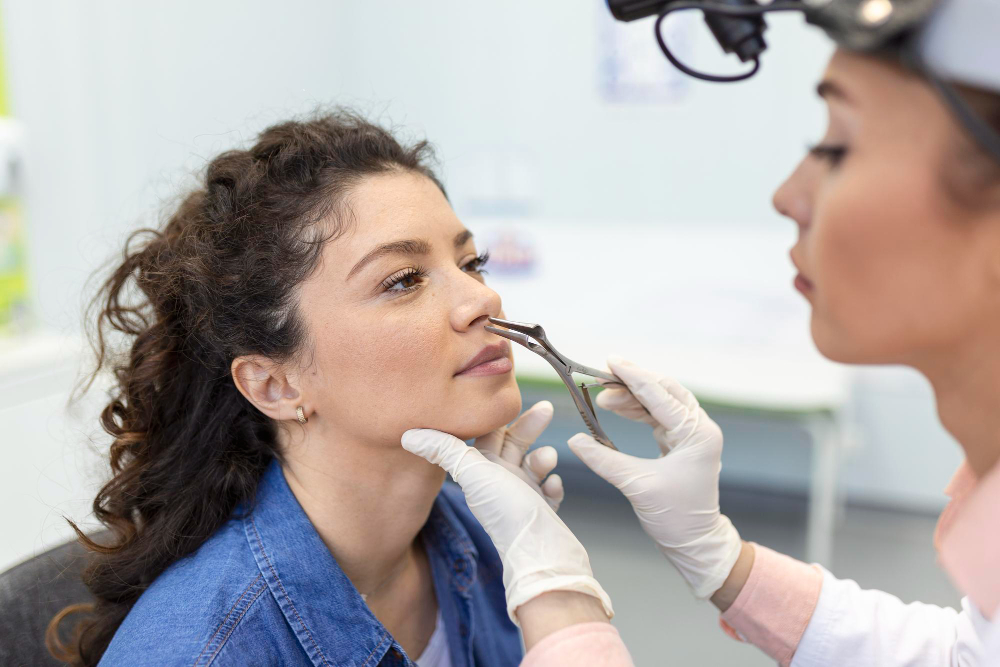
A deviated septum happens when the thin wall between your nostrils is off-center. This wall, called the septum, should divide your nose evenly. However, many people have a septum that leans to one side. Sometimes, this causes no problems. But in other cases, it can lead to health issues. Understanding the complications of an untreated deviated septum is important for your well-being.
Why Is Treatment Important?
Early treatment for a deviated septum can prevent many problems. If left untreated, the risks of not treating a deviated septum can increase over time. For example, you may develop breathing issues or frequent infections. Therefore, getting the right care helps you avoid these complications. Treatment can also improve your quality of life.
Common Complications of an Untreated Deviated Septum
Ignoring a deviated septum can lead to several health problems. Below are some common complications:
As you can see, these complications of untreated deviated septum can affect daily life. In addition, they may get worse if not managed early.
How to Recognize Complications Early
It is important to spot signs of trouble early. For instance, if you have frequent stuffy nose, sinus pain, or nosebleeds, pay attention. Also, if you snore loudly or wake up tired, these could be warning signs. Early recognition helps you seek help before problems grow.
When to See an ENT Specialist
If you notice ongoing symptoms, do not wait. See an ENT specialist if you:
Prompt ENT advice for deviated septum can help prevent serious risks. An expert can guide you on the best treatment options.
Prevention and Lifestyle Tips
While you cannot always prevent a deviated septum, you can reduce complications. Here are some helpful tips:
These steps can help you manage symptoms and avoid further problems.
Conclusion and Call-to-Action
In summary, the complications of an untreated deviated septum can affect your health in many ways. However, early action can prevent most problems. If you suspect you have a deviated septum or notice any symptoms, consult Dr. Devireddy Nayanika Reddy, an ENT specialist, for personalized advice. Your health and comfort matter, so do not delay seeking help.