
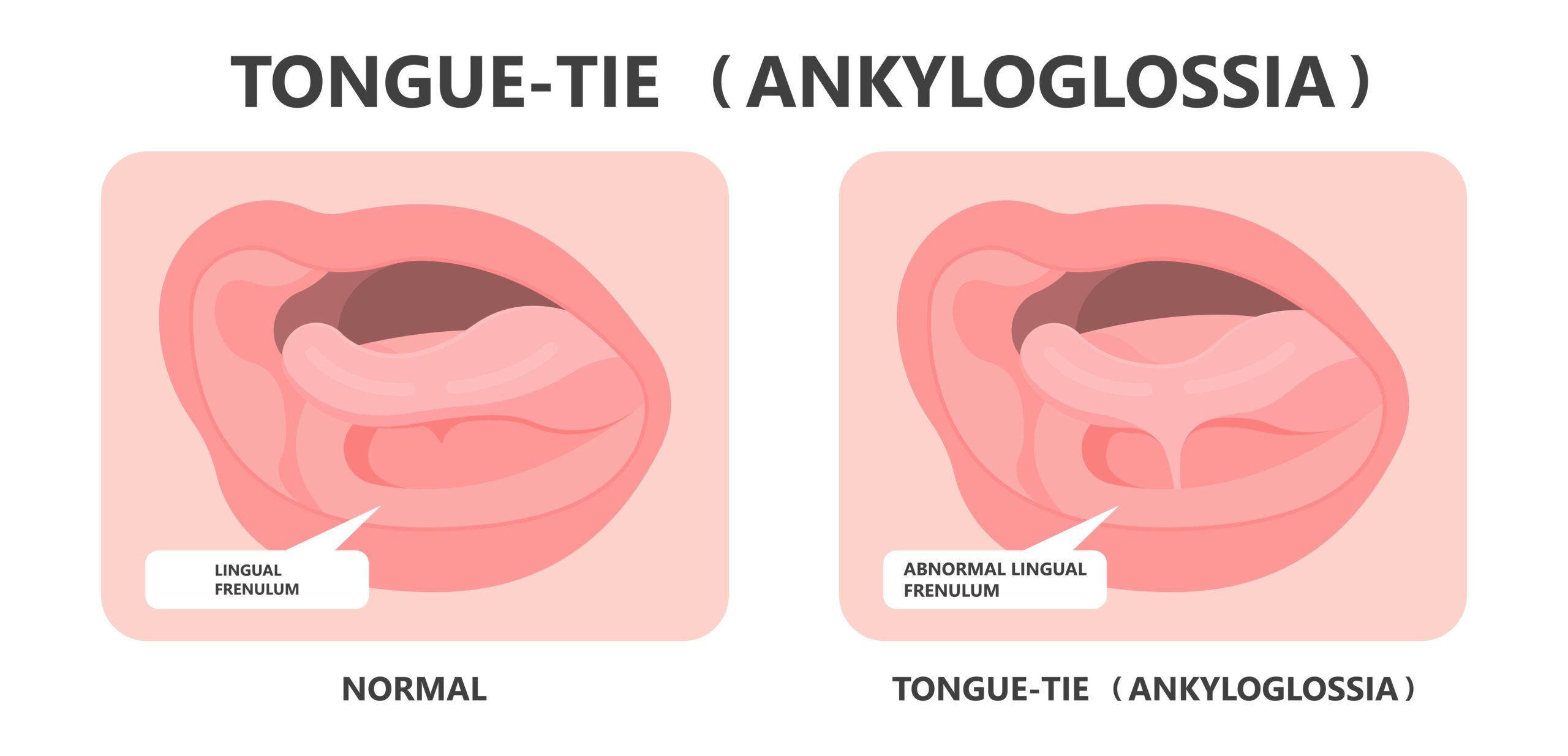
What is Tongue-Tie?
Tongue-tie, also called ankyloglossia, is a condition present at birth. In this condition, a short or tight band of tissue under the tongue limits its movement. This band is called the lingual frenulum. Because of tongue-tie, some babies may have trouble moving their tongue freely. As a result, feeding and speech can sometimes be affected. Tongue-tie surgical release for babies is a treatment option when symptoms cause problems.
Common Symptoms and Signs in Babies
Many babies with tongue-tie show no symptoms. However, some may have:
For example, if your baby struggles to feed or you notice these signs, it may be due to tongue-tie. Early recognition helps in getting the right care.
Causes and Risk Factors
Tongue-tie happens when the lingual frenulum does not separate fully before birth. While the exact cause is not always known, some factors may increase risk:
Although anyone can have tongue-tie, these factors make it more likely. Knowing the risks can help parents watch for early signs.
How Tongue-Tie is Diagnosed
Doctors diagnose tongue-tie by looking at your baby’s mouth and tongue movement. Usually, a pediatrician, lactation consultant, or pediatric ENT specialist checks for:
Sometimes, a simple exam is enough. In other cases, feeding assessments help decide if treatment is needed. Early diagnosis can lead to better feeding and comfort for both baby and mother.
When Should You Consider Surgical Release?
Not all babies with tongue-tie need surgery. However, you should consider a surgical release, called a frenotomy, if:
In addition, if your doctor or lactation consultant recommends it, surgery may be the best option. Timing is important. Early treatment can help prevent feeding and speech issues later. Always discuss with your healthcare provider before deciding.
Surgical Options and What to Expect
The most common procedure is a frenotomy for newborns and infants. During this quick procedure, the doctor snips the tight frenulum. Here is what you can expect:
Sometimes, if the frenulum is thick or if the baby is older, a more involved surgery may be needed. Your doctor will explain the best option for your child.
Risks, Benefits, and Alternatives
Like any procedure, tongue-tie surgery has risks and benefits. Benefits include:
However, there are some risks:
Alternatives include feeding support, lactation consulting, and waiting to see if the problem improves. But, if symptoms are severe, surgery may be the best choice. Always weigh the risks and benefits with your doctor.
Home Care and Follow-Up
After a frenotomy, most babies recover quickly. To help your baby heal:
Usually, babies can return to normal feeding soon after the procedure. If you notice any problems, contact your doctor right away.
Prevention and Early Detection Tips
While you cannot always prevent tongue-tie, early detection helps. Here are some tips:
Early action can make feeding easier and prevent future problems.
Conclusion
Early treatment can prevent long-term problems. For families looking for glue ear treatment, local ENT clinics can help.
If you suspect your child has glue ear, consult Dr. Devireddy Nayanika Reddy for personalized guidance.