
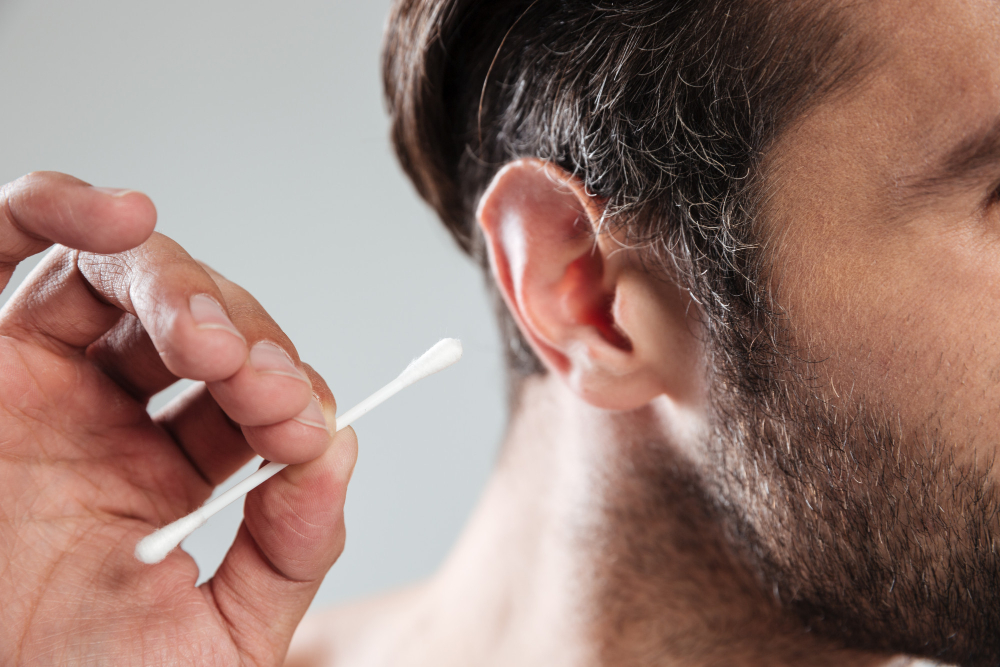
What Is Earwax Impaction?
Earwax impaction happens when too much earwax builds up in the ear canal. Normally, earwax protects your ears by trapping dust and germs. However, sometimes earwax can block the ear, causing discomfort. Earwax impaction is a common problem for people of all ages. In many cases, safe earwax removal at home can help. Yet, it is important to know when to seek help from a doctor.
Causes of Earwax Impaction
There are several reasons why earwax impaction can occur. For example, some people naturally produce more earwax than others. In addition, using cotton swabs or other objects can push wax deeper into the ear. This may lead to a blockage. Other causes include:
Because of these factors, earwax buildup can happen more easily in some people.
Common Symptoms of Earwax Impaction
Earwax impaction can cause many symptoms. Often, these signs are mild at first. However, they can get worse if the blockage grows. Common ear blockage symptoms include:
If you notice these symptoms, you may have earwax impaction. But, other ear problems can cause similar signs. Therefore, it is important to get the right diagnosis.
How Is Earwax Impaction Diagnosed?
Doctors diagnose earwax impaction by looking inside your ear. Usually, they use a special tool called an otoscope. This tool helps them see if earwax is blocking the ear canal. Sometimes, hearing tests are also done. These tests check if the blockage is affecting your hearing. If you have ear blockage symptoms, a doctor can confirm if earwax is the cause.
Safe Methods to Remove Earwax at Home
Many people want to know about safe earwax removal. While some home methods work, others can be risky. For example, never use cotton swabs, hairpins, or sharp objects in your ear. These can push wax deeper or hurt your ear. Instead, try these safe options:
After using drops, wait a few minutes, then tilt your head to let the wax drain out. However, if you have ear pain, drainage, or a history of ear surgery, do not try home removal. In these cases, see a doctor for help.
When to See a Doctor
Sometimes, earwax impaction needs medical care. You should see a doctor if:
Doctors can safely remove earwax using special tools or gentle suction. This reduces the risk of injury or infection.
Prevention Tips for Earwax Buildup
Preventing earwax impaction is possible with a few simple steps. For instance, avoid putting objects in your ears. Also, clean only the outer ear with a damp cloth. Other helpful tips include:
By following these tips, you can reduce your risk of earwax impaction and keep your ears healthy.
Conclusion
In summary, earwax impaction is a common and treatable problem. Safe earwax removal methods can help, but sometimes you need a doctor’s care. If you have ear blockage symptoms or trouble hearing, do not wait. Consult Dr Devireddy Nayanika Reddy, an ENT specialist for personalized advice on earwax impaction.