
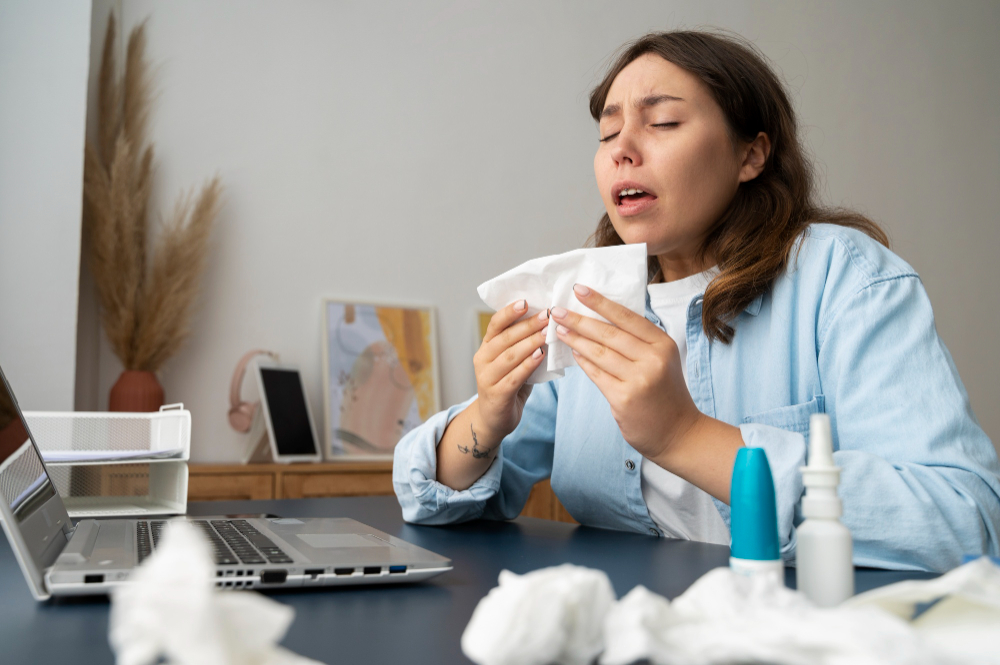
Sinus issues in winter can make daily life uncomfortable. Many people notice winter sinus problems, such as stuffy noses and headaches, when the weather turns cold. Because dry air and indoor heating can make things worse, managing sinus symptoms in cold weather becomes important. If you are looking for sinus congestion relief, you are not alone. In this blog, we will explain what causes sinus issues in winter, common symptoms, and how you can find relief. We will also share tips to keep your sinuses healthy all season long.
What Are Sinus Issues?
Sinuses are small, air-filled spaces in your skull, located behind your nose, cheeks, and forehead. When these spaces become swollen or blocked, you may develop sinus issues. Usually, this happens because of infections, allergies, or irritants. As a result, mucus builds up, causing pressure and discomfort. Sinus issues can be short-term, known as acute sinusitis, or long-lasting, called chronic sinusitis. Either way, they can affect your breathing and overall comfort, especially during winter months.
Why Sinus Problems Worsen in Winter
Many people notice their sinus problems get worse in winter. There are several reasons for this. First, cold air outside and dry indoor heating can dry out your nasal passages. Because of this, your sinuses become more sensitive and prone to swelling. In addition, people spend more time indoors, which increases exposure to dust, pet dander, and mold. Viruses that cause colds and flu also spread more easily in winter, leading to more sinus infections. According to the CDC, these factors can all trigger or worsen sinus issues in winter.
Common Symptoms of Winter Sinus Issues
Sinus issues in winter can cause a range of symptoms. Some are mild, while others may be more severe. Watch for these common signs:
However, not everyone will have all these symptoms. If your symptoms last more than 10 days, it may be time to seek help.
Diagnosis: When to See a Doctor
Sometimes, sinus issues in winter can be managed at home. But there are times when you should see a doctor. For example, if you have:
In these cases, a doctor may check your nose and ask about your symptoms. Sometimes, they may order tests or imaging to rule out other problems. Early diagnosis can help prevent complications and speed up recovery.
Effective Treatments and Home Remedies
There are many ways to find sinus congestion relief during winter. Some treatments can be done at home, while others may need a doctor’s help. Here are some effective options:
If your symptoms are caused by bacteria, your doctor may prescribe antibiotics. However, most sinus infections are viral and do not need antibiotics. The CDC recommends using antibiotics only when necessary to avoid resistance.
Prevention Tips for Healthy Sinuses in Winter
Staying healthy during winter can help prevent sinus issues. Try these simple tips:
By following these steps, you can lower your risk of winter sinus problems.
Lifestyle Guidance for Ongoing Relief
Managing sinus symptoms in cold weather is possible with a few lifestyle changes. For example, try to keep your home at a comfortable humidity level. In addition, avoid sudden changes in temperature, as this can irritate your sinuses. Eat a balanced diet rich in fruits and vegetables to support your immune system. If you have allergies, take steps to control them year-round. Finally, regular exercise can help improve your overall health and may reduce sinus flare-ups.
Sinus issues in winter can be bothersome, but you do not have to suffer. Consult an ENT specialist at Dr. Devireddy Nayanika Reddy for personalized advice on managing sinus issues in winter.