Vocal cord nodules and polyps are common voice problems, especially in people who use their voices a lot. For example, teachers and singers often notice hoarseness after long periods of speaking or singing. These small growths form on the vocal cords and can make the voice sound rough or weak. Because the voice is a key tool for many jobs, understanding why these issues happen is important. In this blog, we will explain what vocal cord nodules and polyps are, why they cause hoarseness, and how professional voice users can protect their voices.
Symptoms of Vocal Cord Nodules and Polyps
Often, the first sign of vocal cord nodules or polyps is hoarseness. However, there are other symptoms to watch for as well. Early detection can help prevent further damage. Common symptoms include:
Sometimes, these symptoms may come and go. But if they last more than two weeks, it is important to seek help.
Causes: Why Do Teachers and Singers Get These Problems?
Many people wonder why vocal cord nodules in teachers and hoarseness in singers are so common. The main cause is overuse or misuse of the voice. For instance, speaking loudly for long hours, singing without proper technique, or talking in noisy places can strain the vocal cords. Over time, this strain leads to swelling and small bumps called nodules or polyps. Other causes include:
Because teachers, singers, coaches, and call center workers use their voices daily, they are at higher risk.
Diagnosis: How Do Doctors Find Vocal Cord Nodules and Polyps?
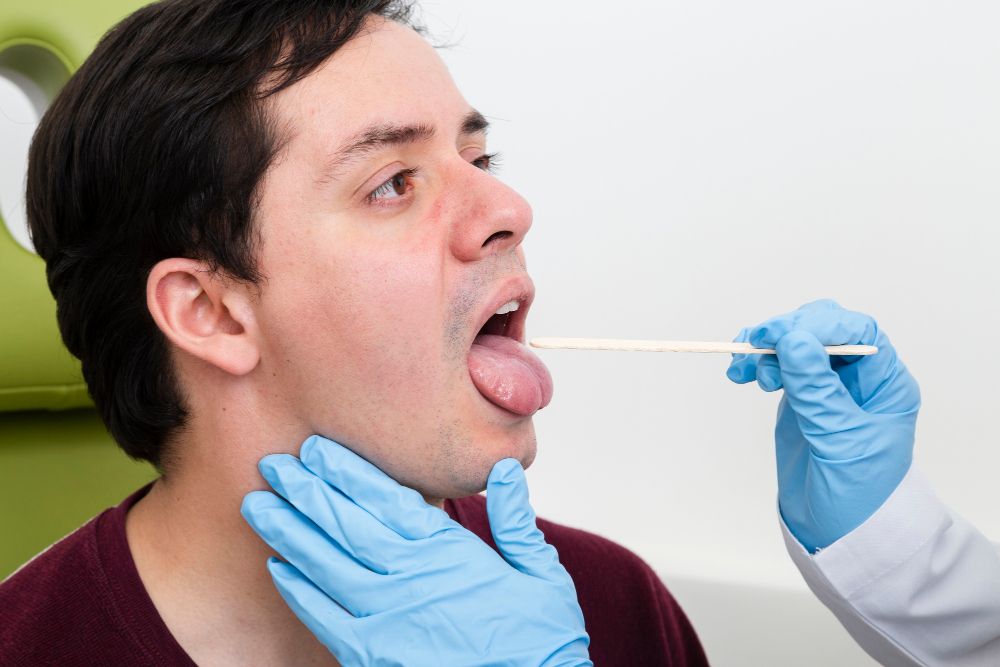
When someone has ongoing hoarseness, an ENT (Ear, Nose, and Throat) specialist can help. First, the doctor will ask about symptoms and voice use. Next, they may use a small camera called a laryngoscope to look at the vocal cords. This test is quick and usually painless. Sometimes, a special light helps the doctor see the movement of the vocal cords. In rare cases, other tests may be needed to rule out serious problems. Early diagnosis helps guide the best treatment for voice problems.
Treatment Options for Voice Problems
There are several ways to treat vocal cord nodules and polyps. The right treatment depends on the cause and severity. Common options include:
Usually, most people improve with voice therapy and good vocal care. According to the American Academy of Otolaryngology, surgery is only needed for a small number of cases.
Lifestyle Guidance: Vocal Hygiene Tips for Professionals
Good vocal hygiene can prevent and manage voice problems. For professional voice users, these tips are especially important. Consider the following:
With these habits, teachers and singers can protect their voices and reduce the risk of nodules or polyps.
Prevention: Practical Steps for Professional Voice Users
Preventing vocal cord nodules and polyps is possible with simple steps. For example, teachers and singers in busy cities can:
By following these steps, professional voice users can keep their voices strong and healthy.
Conclusion
In summary, vocal cord nodules and polyps are common in people who use their voices frequently, like teachers and singers. Hoarseness is often the first sign. With early care and good habits, most people recover well. If you experience persistent hoarseness, consult Dr. Devireddy Nayanika Reddy for personalized ENT guidance.