What is Sleep Apnea?
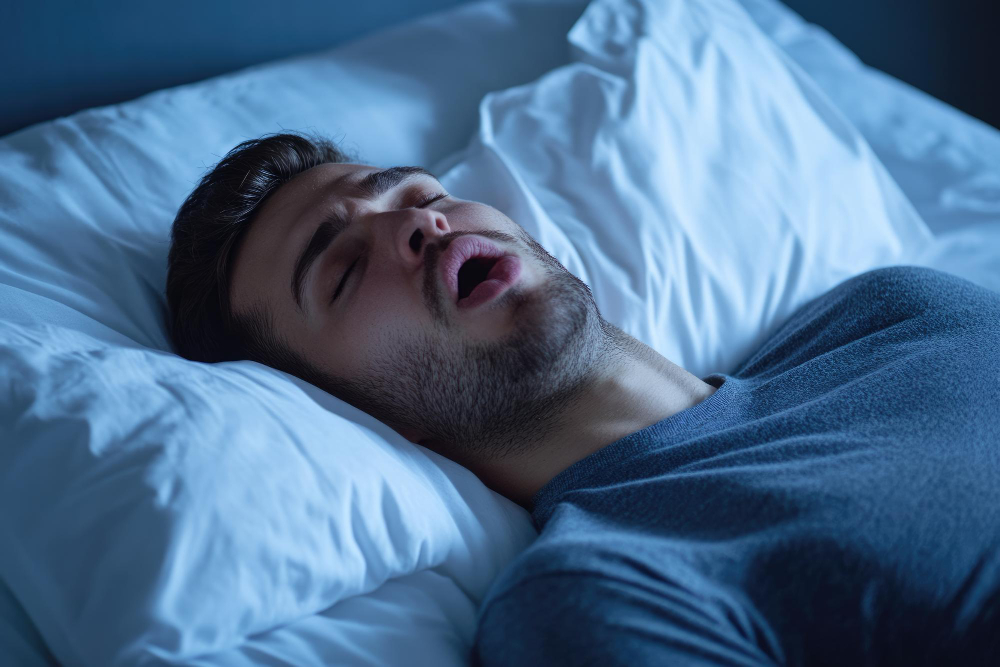
Sleep apnea is a common sleep-related breathing disorder. It causes your breathing to stop and start while you sleep. Because of this, your body may not get enough oxygen at night. Over time, this can lead to health problems like high blood pressure, heart disease, or even stroke. Many people do not know they have sleep apnea. However, early detection is important for better health.
Who is at Risk?
Anyone can get sleep apnea. Still, some people have a higher risk. Let’s look at the main risk factors for sleep apnea:
Because of these factors, it is important to know your own risk. Even if you feel healthy, you could still have sleep apnea.
Common Symptoms to Watch For
Sleep apnea symptoms can be easy to miss. Yet, knowing what to look for can help you get help sooner. Watch for these signs:
Sometimes, children with sleep apnea may wet the bed, do poorly in school, or act out. If you notice these symptoms, it is wise to talk to a doctor.
How Sleep Apnea is Diagnosed
Doctors use several steps to diagnose sleep apnea. First, they ask about your symptoms and health history. Next, they may do a physical exam. If needed, you might have a sleep study. This test records your breathing, heart rate, and oxygen levels while you sleep. Sometimes, you can do this test at home. Other times, you may need to stay overnight at a sleep center. Early diagnosis helps prevent serious health problems.
Prevention and Lifestyle Tips
While not all cases can be prevented, you can lower your risk. Try these tips:
Because small changes can make a big difference, start with one or two tips. Over time, these steps may help reduce your risk of sleep apnea.
When to See a Doctor
If you notice any symptoms of sleep apnea, do not wait. See a doctor if you:
Because sleep apnea can lead to serious health issues, early treatment is important. The Centers for Disease Control and Prevention (CDC) and World Health Organization (WHO) both stress the value of early care.
Consult an ENT specialist, Dr. Devireddy Nayanika Reddy, if you suspect you have sleep apnea for personalized guidance.